Llanblethian Castle
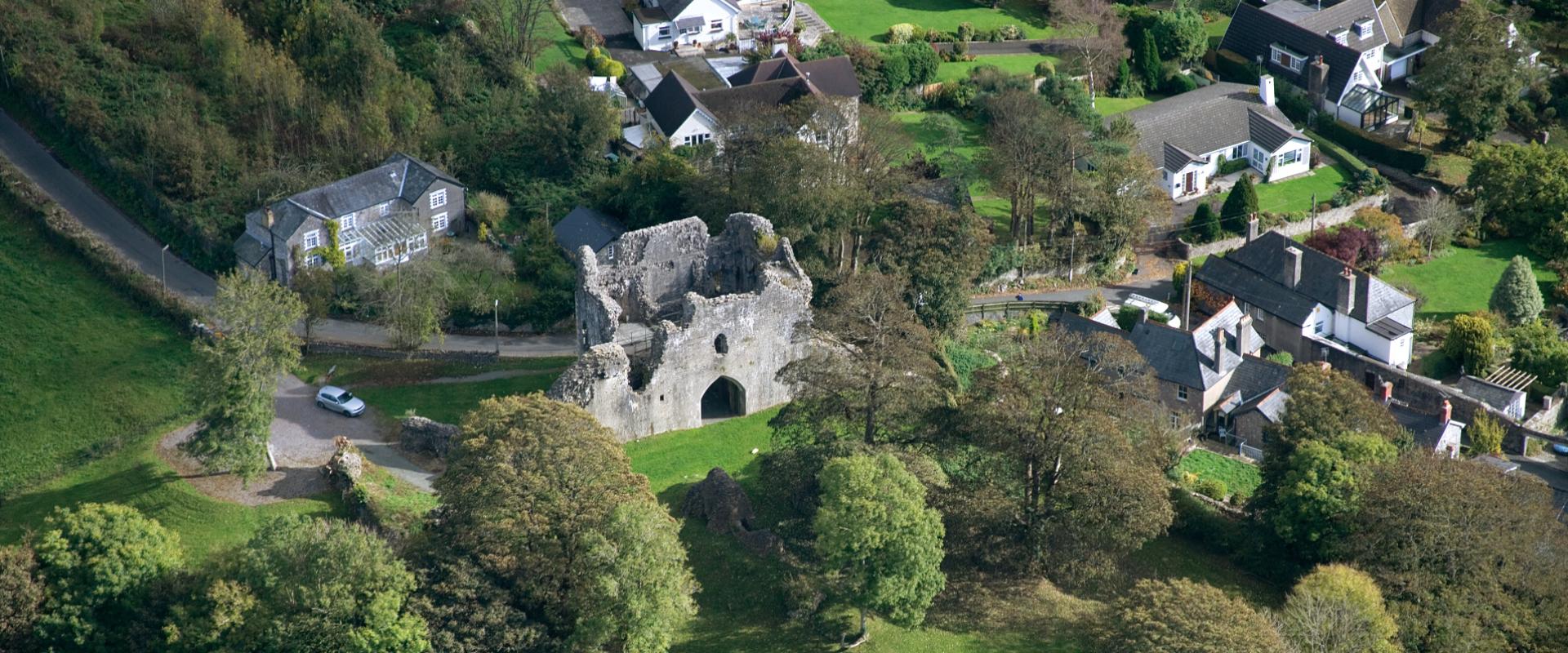
Ruined remains of a 14th-century castle
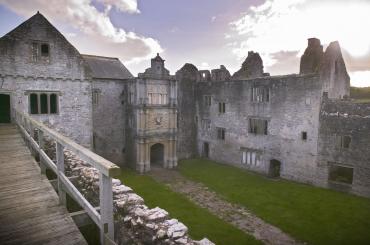
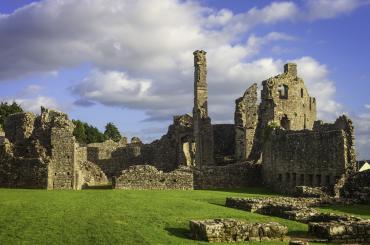
Also known as St Quentin's or St. Quintin's Castle, probably built by English nobleman and military commander Gilbert de Clare in the early 14th century, the most notable remnants of this castle are its huge, twin-towered gatehouse and high stretch of curtain wall on the north of the site. In the centre of what was once a large fortress is an earthen mound with the remains of a thick-walled building on top of it, which may be all that’s left of an earlier keep.
Opening times & prices
Opening times
| 1st April - 31st March | 10am–4pm |
|---|---|
|
Last admission 30 minutes before closing Closed 24, 25, 26 December and 1 January |
|
Visitor information

Bikes access
Bike storage area available in car park or close to site.

Dogs welcome
Dogs on short leads welcome to access ground floor levels of the site.

Car park
Small car park at the entrance to the site

Walking difficulty
Terrain: Level 2 – Easy

Drone policy
Please read our policy information about flying drones at Cadw monuments: read the guidance

No smoking
Smoking is not permitted.

Health & Safety
The monument offers its own parking spaces at the entrance of the site. Procced with caution as it lies on the top of a small bank. The lanes are narrow surrounding this monument.
The site includes the monument itself and stone tumble which sits within the lower outer grounds. The outer grounds are sloped and grassed. These may be slippery or muddy in poor weather conditions. We highly recommend that you wear appropriate footwear for the season and condition of the site.
We kindly ask that you do not climb upon the tumble and be mindful of smaller fallen stone within the grounds.
The monument is split into lower and upper levels. When the upper levels are accessible, please use the handrails provided and stay within the designated walkways.
As with all ancient monuments there is always a risk of stones being dislodged in bad weather, however, we manage this through extensive monitoring.
Climbing may result in serious injury.
There are several wild plants and flowers, although these are great pollinators, they may be poisonous to visitors and animals, we strongly advise you not to touch or allow dogs to eat any vegetation.
Please watch our health & safety film before visiting Cadw sites.
Iechyd a Diogelwch / Health and Safety
Please report any anti-social behaviour such as climbing, setting fires, graffiti etc. to CadwAccidentsReports@gov.wales
The following signs can be found around the site at key areas of risk, please pay attention where appropriate.
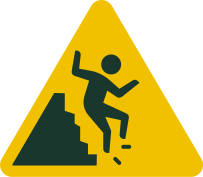
Steep and uneven steps
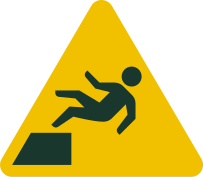
Falls from height
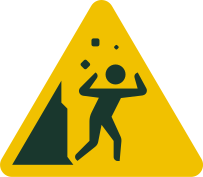
Falling masonry
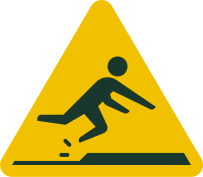
Slippery or uneven surfaces
Directions
Google Mapwhat3words: ///heat.resold.unopposed
Unlimited access to Wales' past
Join Cadw for as little as £2.00 a month and gain unlimited access to over 100 historical sites.
Enjoy the many benefits of Cadw membership
- 10% off Cadw gift shops
- 50% off entry to English Heritage and Historic Scotland sites
- FREE entry to English Heritage and Historic Scotland on renewal
- FREE entry to Manx National Heritage properties
- FREE membership pack including car sticker and full colour map