Branwen ferch Llŷr
The story of Branwen ferch Llŷr appears in the second of the Four Branches of the Mabinogi, one of Wales’ earliest collections of legendary tales.
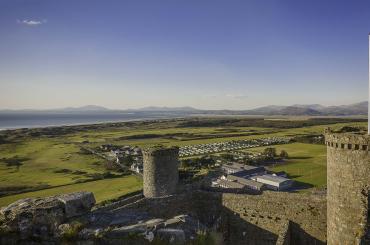
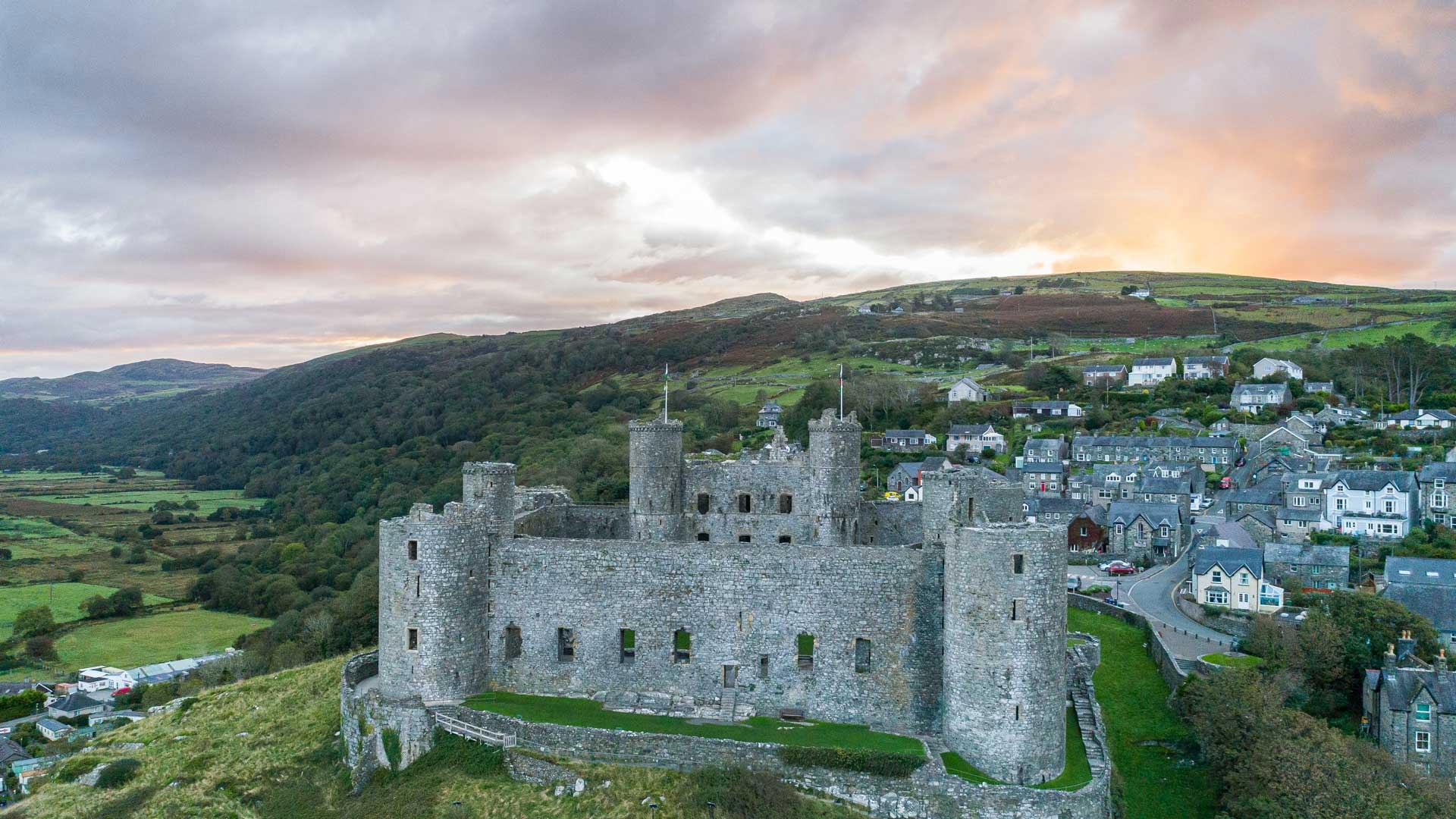
According to legend, Branwen was the sister of the Welsh giant Bendigeidfran, King of Britain, whose court was at Harlech in north Wales overlooking the mountains of Eryri (Snowdonia) and the Irish Sea.
Matholwch, King of Ireland, travelled to Harlech to ask for Branwen’s hand in marriage. The match was intended to unite the two families, but not everyone welcomed it. Efnisien, half-brother to Branwen and Bendigeidfran, was furious to discover the marriage had been agreed without him.
In revenge, he brutally mutilated the Irish King’s horses, cutting off their ears, tails, lips and eyelids, which provoked outrage in Ireland.To restore peace, Bendigeidfran compensated Matholwch with gifts including the magical cauldron known as the ‘Pair Dadeni’, which was said to resurrect the dead.
Matholwch returned to Ireland with Branwen, and they soon had a son, Gwern. But Irish anger over Efnisien’s insult endured, and Branwen suffered for it. Matholwch banished her to the kitchens, where for three years she cooked for the court and was beaten daily by a butcher.
In her isolation, Branwen found comfort in a starling that appeared at her window. As time passed, she trained the bird to speak and recognise Bendigeidfran, then tied a letter at the base of its wing, sending it across the Irish Sea to deliver news of her mistreatment to her brother.
When Bendigeidfran received the message, he rallied his men and set out for Ireland to rescue his sister. As the giant crossed the Irish Sea, Matholwch’s army mistook him for a mountain in the water, believing his eyes to be two lakes and his army in boats to be trees along the edges.
The Irish retreated across the river Liffey and destroyed the bridge. But nothing could stop Bendigeidfran who used his own body as a bridge so that his army could cross. Facing the Welsh forces, Matholwch offered to give the kingship of Ireland to his son, Gwern. But Efnisien uncovered an Irish ambush, and in rage and jealousy threw Gwern into a fire.
The rescue mission turned into a bloody battle.
Efnisien sacrificed himself by destroying the cauldron, preventing the Irish dead from being restored, while Bendigeidfran was mortally wounded by a poisoned spear. Branwen returned to Wales, but the grief of losing her son and both of her brothers was too much for her to bear and she died of a broken heart. According to tradition, she was buried at Bedd Branwen in Holyhead.
Despite her tragic fate, Branwen’s tale lives on.
Visitors to Castell Harlech can discover more about Branwen and see where her story began.