Women Through the Ages
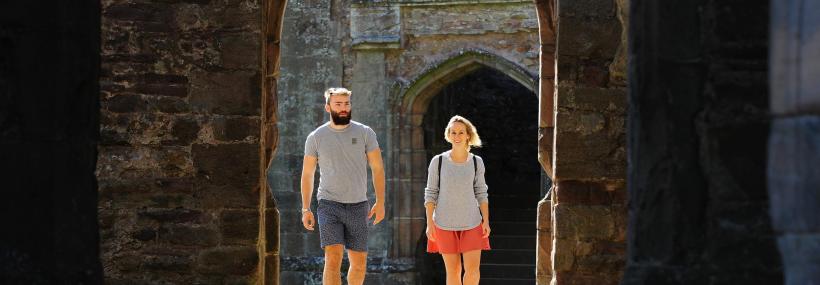
Cadw’s Women Through The Ages campaign spotlights five women from across Welsh mythology, medieval Wales, industrial heritage and folklore.
Life-sized sculptures have been created to honour their stories, and you can visit them at their associated Cadw locations this summer to explore where Welsh history unfolded.
Discover their stories…
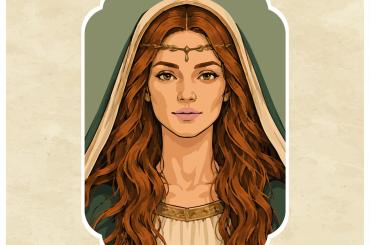
SANTES DWYNWEN
Llanddwyn Island / Beaumaris Castle
Santes Dwynwen, the Welsh patron saint of lovers, was the prettiest of King Brychan Brycheiniog's 24 daughters. She fell in love with Maelon but her father forbade the relationship. Dwynwen prayed to God to help her forget him and in return for this she became a nun and eventually settled on Ynys Llanddwyn on Ynys Môn (Anglesey).
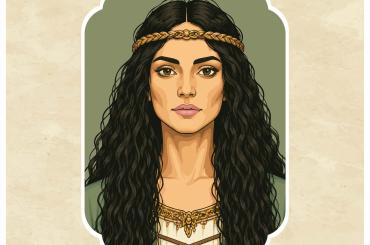
BRANWEN FERCH LLŶR
Harlech Castle
Branwen, Daughter of Llŷr is a major character in the medieval Welsh story known as the Second Branch of the Mabinogi. Treated cruelly by her husband Matholwch, the King of Ireland, she tamed a starling and sent it across the Irish Sea with a message to her brother Bendigeidfran, to bring a force from his base in Harlech, to Ireland to rescue her.
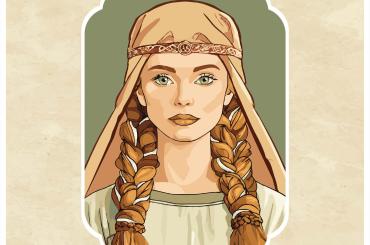
GWENLLIAN FERCH GRUFFUDD
Kidwelly Castle
Gwenllian ferch Gruffudd was a 12th‑century Welsh princess who led an army against Norman forces in 1136, an unusually bold role for a woman at the time. Although her forces were defeated and she died on the battlefield, she became a powerful symbol of resistance. Her heroic death inspired later generations, turning her into a lasting emblem of Welsh defiance and independence.
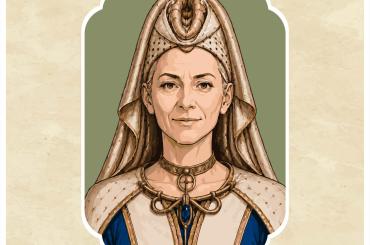
GWLADYS FERCH DAFYDD GAM
Raglan Castle
Gwladys ferch Dafydd Gam was a 15th-century Welsh woman from a powerful family, the daughter of Dafydd Gam, who was killed at the Battle of Agincourt in 1415. She became known as the “Star of Abergavenny” and played an important role in linking influential Welsh families through her marriages, helping shape politics in medieval Wales.
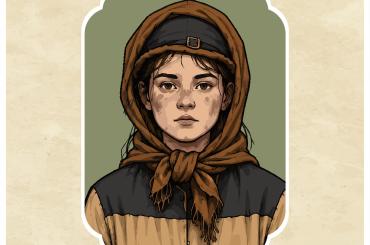
MARGARET THOMAS
Blaenafon Ironworks
Margaret Thomas was a 15-year-old worker at Blaenafon Ironworks. Though little is known of Margaret herself, her story shines a light on the resilience, hardship and quiet determination of the children whose labour helped shape Wales’ industrial past.