Margaret Thomas
Born around 1825 into a mining family in Blaenafon, Margaret Thomas grew up at a time when the iron industry was transforming south-east Wales, creating wealth for some while demanding immense human cost from others.
Like many children in the area, Margaret was sent to work at Blaenafon Ironworks from a young age.
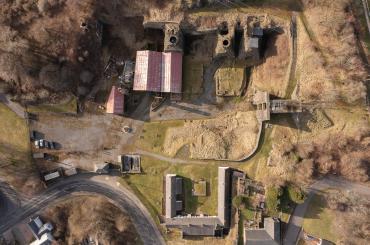
One of the most important industrial sites in Wales, Blaenafon Ironworks was established where coal, iron ore and limestone could all be found close together, helping it grow rapidly during the late eighteenth and nineteenth centuries. There, Margaret worked mining ironstone that would later be burned in the blast furnaces.
Her first job was in "the levels", underground workings that many considered even harder than labouring on the mine banks above. Conditions were harsh. The levels were often flooded, forcing workers to wade through water and mud while carrying out physically demanding tasks.
Margaret later recalled pushing full trams out of the workings and returning empty ones, all while working barefoot. Days were long, with children often expected to work 12-hour shifts, six or seven days a week, just like their parents. Margaret’s only respite came when she could make a quick escape home for mealtimes.
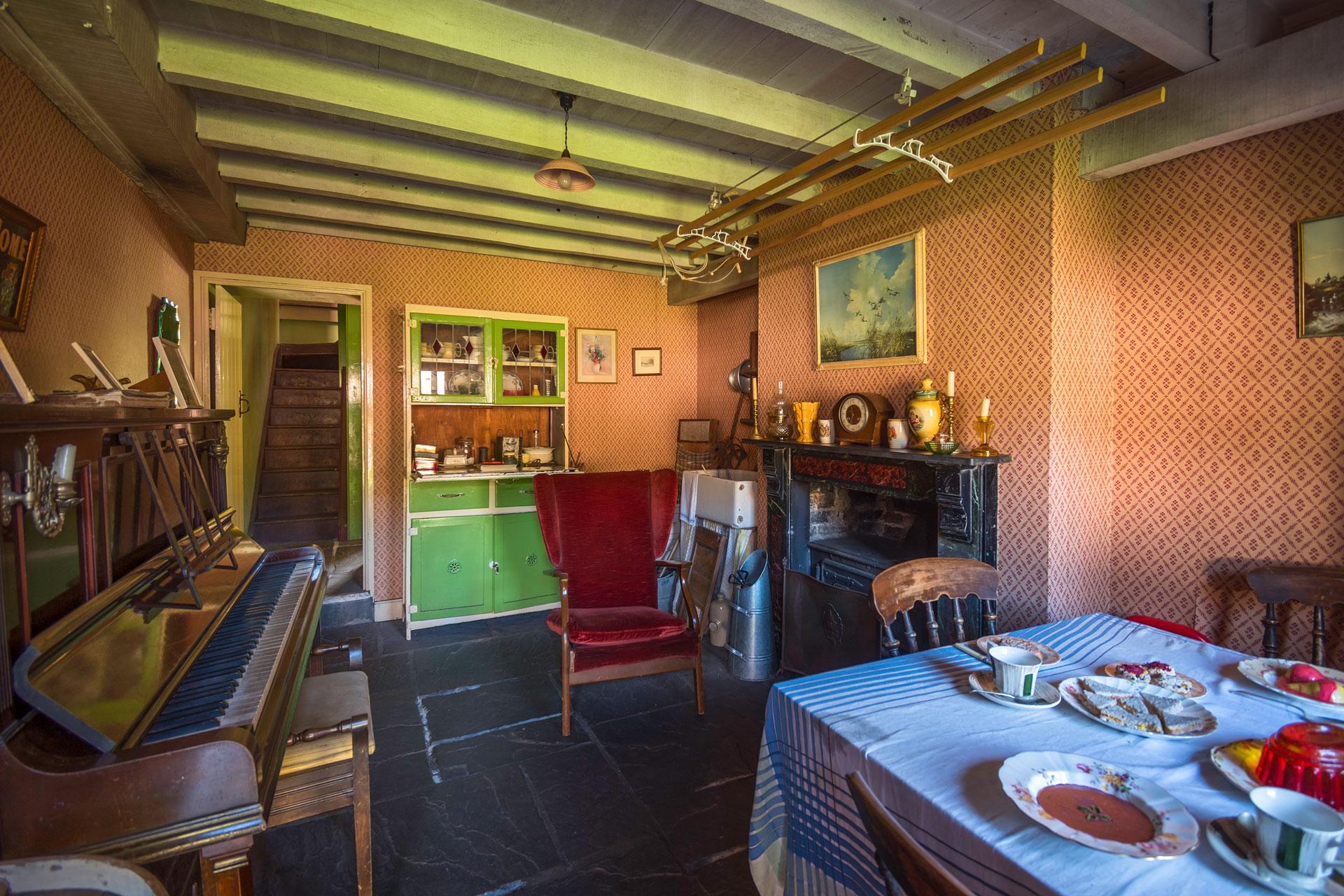
(above: one of the furnished workers' cottages in Stack Square, Blaenafon Ironworks)
But then she would return to the place where she and many of her working friends risked being exposed to constant danger from poisonous fumes and heavy machinery while they worked. Her story survives thanks to the 1842 Royal Commission inquiry into child labour, which recorded the experiences of children working in Britain's mines and ironworks.
The inquiry found children as young as five at work; at Blaenafon, a quarter of them were girls.
Margaret's experience was not unusual, but it remains one of the clearest accounts of life for young female workers during this period. She was one of only two people interviewed at Blaenafon to give testimony in Welsh, at a time when increasing numbers of workers were arriving from the English Midlands and beyond.
Her words provide an important record of the exploitation endured by many women and children during a period of rapid industrial growth, offering a glimpse into the realities behind Wales' industrial success.
Today, Margaret Thomas is remembered not because she was famous, but because her story gives a voice to thousands of working children whose experiences were rarely recorded.
Visitors to Blaenafon Ironworks can discover more about Margaret's experience and learn about the women and children whose work helped power one of Wales' most important industrial communities.